Case 06 · Eezy Talents · 2024–2025
- Role
- Lead Product Designer
- Timeline
- 2024–2025
- Platform
- iOS · Android
- Outcome
- Unified 24/7 job platform
- Team
- Embedded in product team
↓ Scroll — the work
Time to first accept
push → confirmed shift
Response rate
vs previous separated apps
Unified job feed
temp + long-term in one inbox
App in Action
Push-to-Accept in Seconds
Watch how a worker receives, reviews, and accepts a shift offer in under a minute.
Time to first accept
Response rate
© Eezy Oyj
The Challenge
- • Traditional job search requires constant manual browsing
- • Workers miss suitable opportunities due to timing
- • Complex application processes discourage quick responses
- • No real-time communication between workers and employers
- • Difficulty managing both long-term and gig work
- • Time-consuming job matching for staffing agencies
The Solution
- • AI-driven job matching sends personalized opportunities
- • Push notifications ensure workers never miss relevant jobs
- • One-tap job acceptance for rapid response
- • Integrated communication platform
- • Unified interface for all work types
- • 24/7 availability for instant job matching
The Eezy Talents mobile app required a complete reimagining of how workers interact with job opportunities. My approach focused on creating a native mobile experience that leverages AI intelligence while maintaining human-centered design principles. The challenge was designing for both immediate gig workers and those seeking long-term employment within a single, cohesive experience.
Core Design Principles
AI-Assisted Discovery
Intelligent job matching that learns user preferences and behavior patterns
Mobile-First Design
Native iOS and Android experiences optimized for touch and mobile workflows
Instant Engagement
Real-time notifications and one-tap actions for immediate job responses
Gig workers span a wide spectrum of devices, screen sizes, and accessibility needs. The app was designed to WCAG 2.1 AA throughout: all touch targets meet the 44×44px minimum, colour is never the sole indicator of shift or contract status, and all interactive elements are fully compatible with VoiceOver (iOS) and TalkBack (Android). Contrast ratios were validated against both light and dark system themes.
AI-Powered Job Matching
Advanced algorithms analyze worker skills, preferences, location, and availability to deliver highly targeted job opportunities through push notifications.
Instant Job Acceptance
One-tap job acceptance workflow enables workers to secure opportunities immediately, reducing time-to-hire and improving match success rates.
Integrated Communication
Direct messaging between workers and Eezy specialists streamlines coordination, reduces friction, and maintains clear communication throughout the work process.
24/7 Availability
Round-the-clock job matching ensures workers can receive and accept opportunities at any time, maximizing earning potential and flexibility.
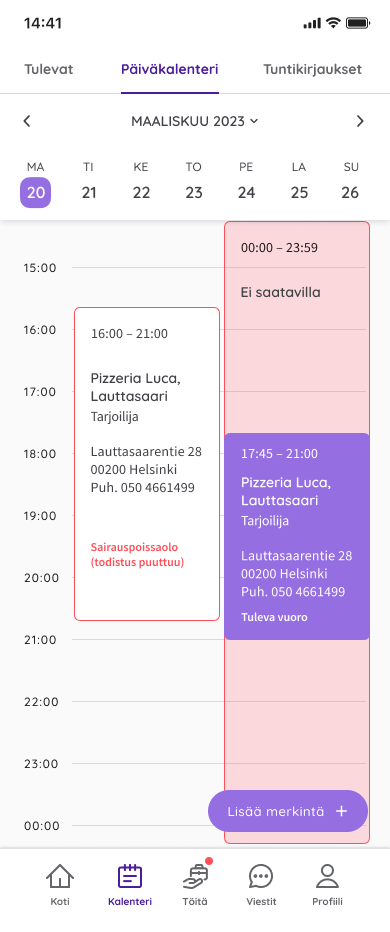
Calendar View Hub
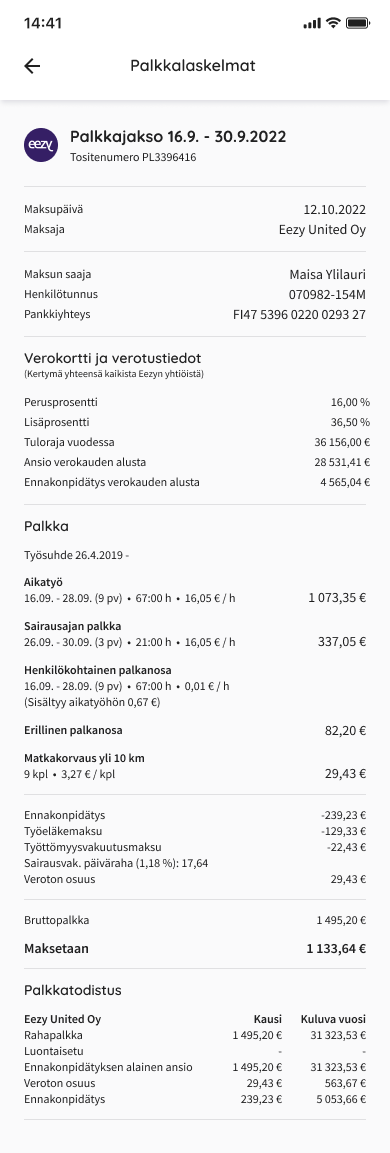
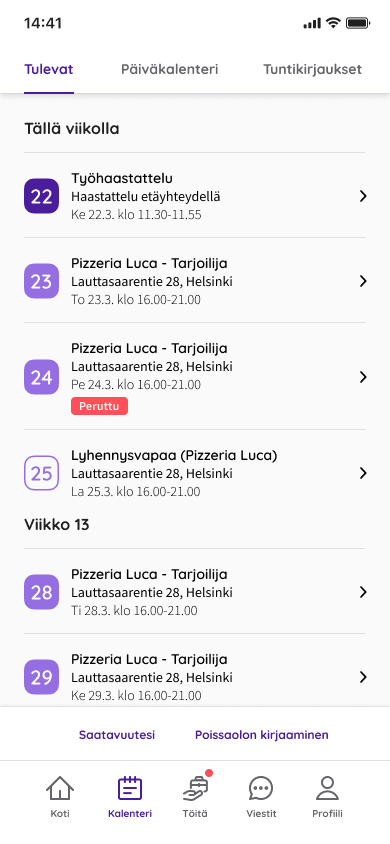
Comprehensive dashboard for managing job applications, tracking work schedules, logging hours, and accessing salary statements from one unified interface.
Dual Work Model
Seamlessly handles both long-term employment opportunities and short-term gig work, adapting to diverse worker preferences and market demands.
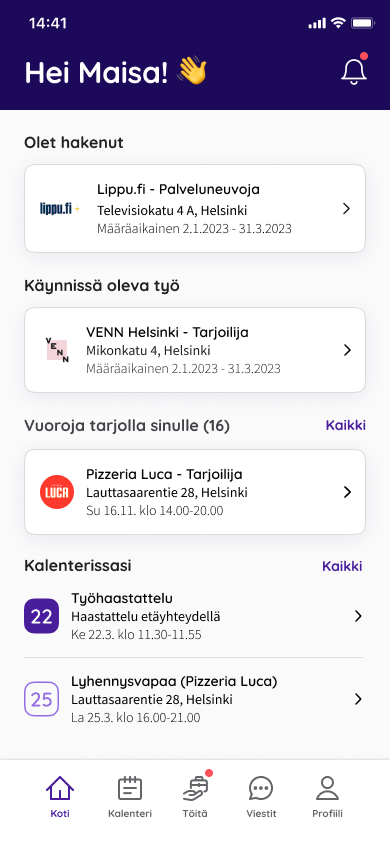
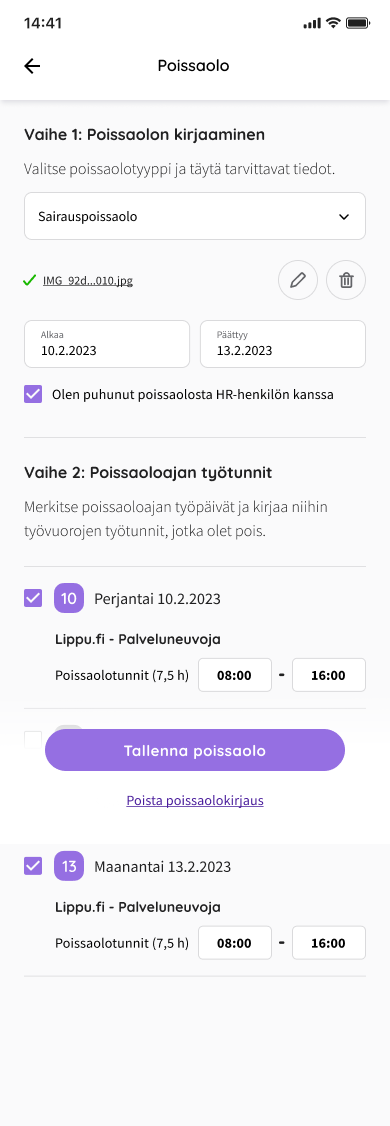
Native mobile interface design showcasing AI-powered job matching and seamless user experience across iOS and Android.
Business Impact
- Faster job matching through AI-powered recommendations
- Improved worker satisfaction with relevant opportunities
- Reduced time-to-hire for employers
- Enhanced operational efficiency for Eezy specialists
User Experience Impact
- 24/7 access to job opportunities
- Seamless mobile-first experience
- Unified platform for all work types
- Improved communication and coordination
Signal
Push notification open rate was healthy at 71%, but the accept rate was only 34% — well below the 60% target. Users were opening but not acting.
What Changed
Redesigned the push payload to include a shift preview (role, date, pay) and a native one-tap accept CTA directly in the notification, without opening the app.
Outcome
Accept rate jumped from 34% to 61% by week 4. Time-to-first-accept dropped to under 60 seconds.
Signal
App Store reviews averaged 3.2 stars. Recurring complaint: "too many notifications". Analytics contradicted this — frequency was within industry norms. The real issue was notification content felt irrelevant.
What Changed
Added a notification digest mode with user-controlled category filters and quiet hour preferences, set during onboarding. Ran A/B test on digest vs. real-time for low-urgency shift types.
Outcome
1-star reviews down 78% in 6 weeks. Rating climbed to 4.1. The digest group showed 18% higher weekly retention than the control.
Signal
Long-term contract accept rate lagged at 18% vs. 40% for gig shifts. KPI dashboard flagged this as the primary drag on employer satisfaction scores.
What Changed
Added a persistent contract-type filter with separate "Career Opportunities" feed. Workers who opted in got a distinct onboarding path that framed long-term roles differently.
Outcome
Long-term accept rate reached 35% by month 4 — nearly doubling, and closing the gap with temp-gig performance.
Signal
Moderated testing with 8 workers revealed confusion about pay calculation for split shifts — users were second-guessing totals and contacting support before accepting.
What Changed
Added an inline pay breakdown card expandable on tap, showing base pay, travel allowance, and evening/weekend multipliers. Tested comprehension with a card-sort variant.
Outcome
Support contacts about pay queries dropped 65%. Workers in testing described the breakdown as "the one thing that made me feel safe accepting".